

Float Therapy Feels Like a Holiday
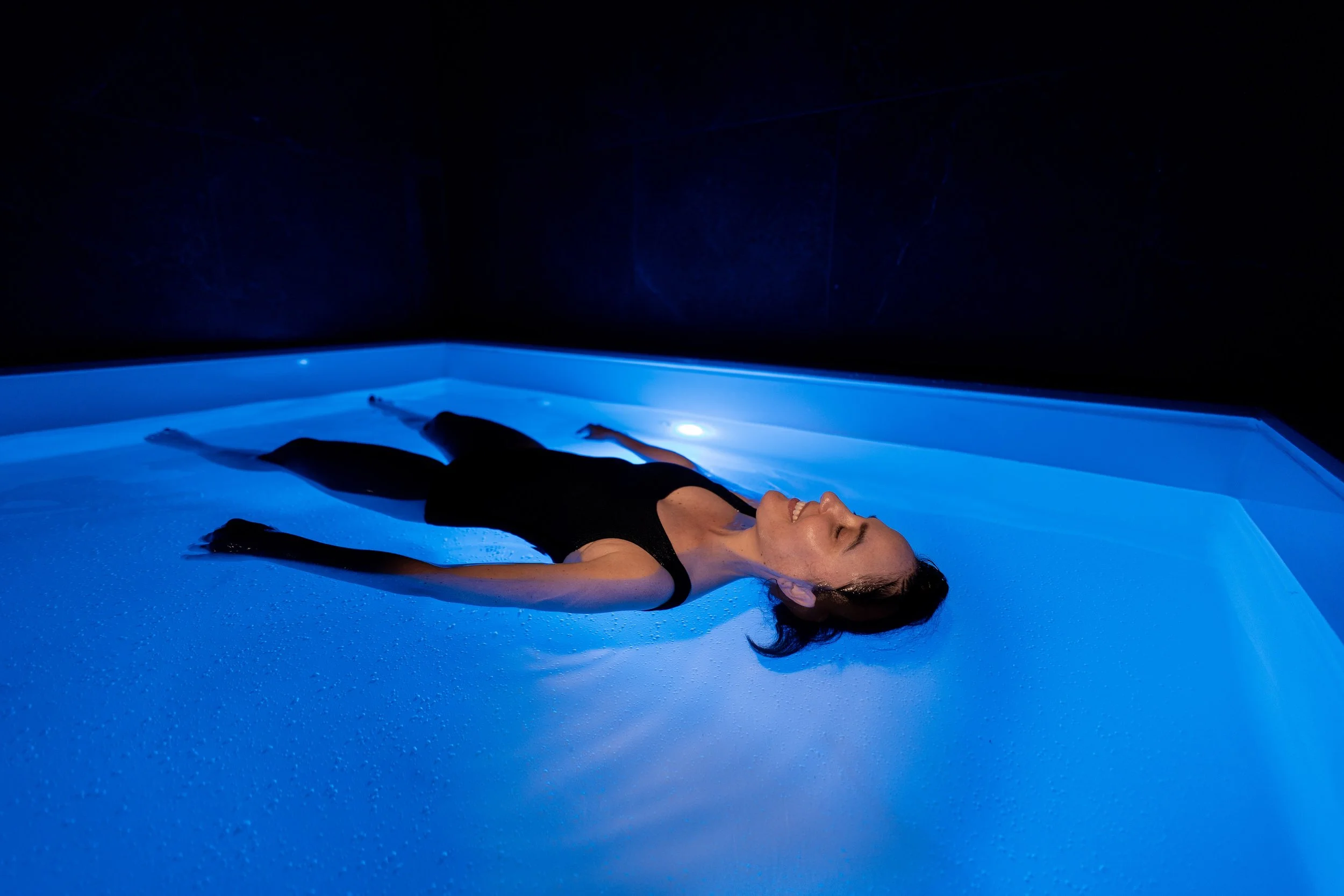
Most people don't take a holiday because one thing is wrong. They take a holiday because it's one of the few times the body gets a real break from being switched on. Float therapy works on that same principle, just condensed into an hour instead of a week.
Float therapy is a 60-minute session that puts your nervous system through a version of what a holiday does. That's why so many people describe walking out of a float feeling like they've been away, even though they've only been down the road. Here's what float therapy actually is, what it does to your body and why it holds up as an alternative when a real holiday isn't on the cards.
What Float Therapy Actually Is
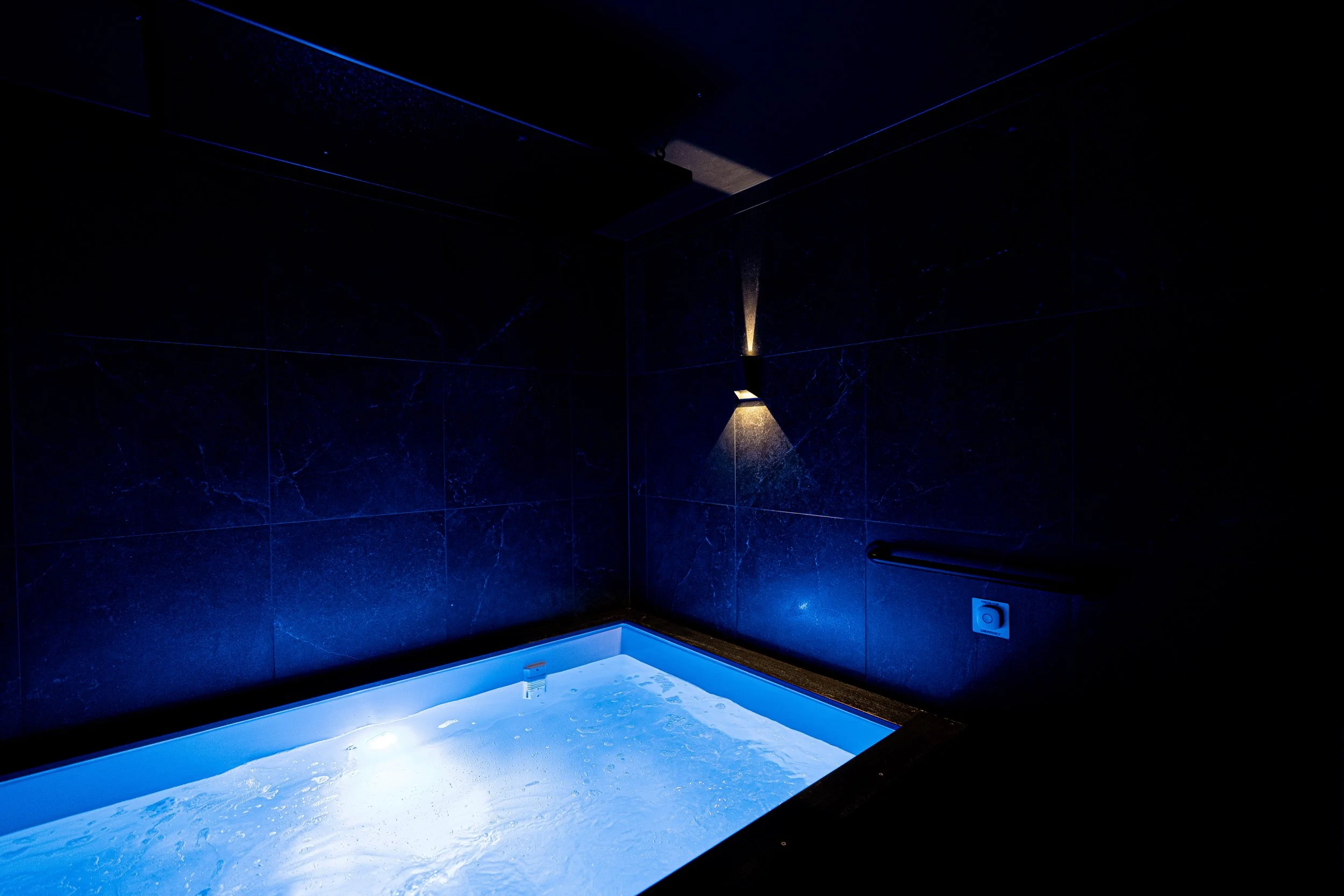
City Cave’s Float therapy is a 60-minute session spent lying in a private pool filled with 400kg of Epsom salt (magnesium sulphate). The water is heated to skin temperature, so after a few minutes you stop being able to tell where your body ends and the water begins. Light and sound are kept to a minimum, so your senses have almost nothing to respond to. At City Cave, this happens in a private open pool which makes it easier to relax even on your first float.
This isn't a new age gimmick. It's been researched for decades because of what it does to a stressed-out nervous system.
The Benefits of Float Therapy
When your senses have nothing to react to, your nervous system gets a rare chance to stop scanning for the next problem.
City Cave breaks down what a float session actually does for your body into four areas, and they cover what a stressed-out body and mind both need:
It decreases stress and anxiety. Floating lowers cortisol and helps shift your nervous system out of fight-or-flight and into a calmer state.
It encourages deep rest and better sleep. By reducing stress hormones and promoting calm, a float session supports the kind of deep, restorative sleep that's hard to get after a run of bad nights.
It helps manage pain and reduces inflammation. The zero-gravity environment takes the load off your joints and muscles while boosting circulation, which eases tension and inflammation.
It boosts creativity and mindfulness. With almost nothing for your senses to respond to, your mind gets space to think clearly. It is also noted that this has also been shown to support creativity and performance, not just calm.
Why That Feels Like a Holiday
When researchers study what a holiday actually does for the body, the list looks familiar: lower cortisol, better sleep, improved heart rate variability and reduced exhaustion. What makes a holiday work isn't the beach or the flight, it's the disconnection. It's your brain getting a stretch of time with no emails to answer, no one asking anything of you and nothing urgent to solve.
A float session creates that same disconnection, just compressed into an hour. No phone. No to-do list. No one needs you for sixty minutes. Your body reads that the same way it reads the first quiet afternoon of a holiday... permission to stop bracing.
Float therapy won't give you new scenery or a stamp in your passport, but it can give you is the same physiological off-switch that a break is supposed to provide, without needing leave approval or a four-figure budget.
Float Therapy When You Can't Take a Holiday Right Now
Most people aren't skipping holidays because they don't want one. It's the time off work, the cost, the logistics of getting everyone organised, or simply not having anyone to cover for you. A float session sidesteps most of that. It takes an hour, it's local, and you don't need to pack a bag.
This isn't about replacing a real holiday. But if a holiday isn’t on the cards this month, an hour where your body genuinely gets to switch off is still worth something. It's an hour where the stress response your body has been running on actually gets to power down.
Try It for Yourself
Reading about what floating does is one thing. Feeling your shoulders drop for the first time in weeks is another. If you're overdue for a break and a holiday isn't happening any time soon, book a float session and give your nervous system the hour it's been asking for.
Common Questions About Float Therapy
Is float therapy actually like a holiday?
Not literally. You won't get new scenery or time away with family. But the physical effect on your body is similar: a stretch of time with no demands on you, which is what lets your nervous system come down from a stress response. That's the same mechanism researchers point to when they study why holidays work.
Do I need any experience to try float therapy?
No. City Cave's private, open-pool CAVEFLOAT™ rooms are designed to be comfortable for first-timers, unlike smaller enclosed tanks. You can read more on what to expect before your first float.
What do you wear during a float therapy session?
It is recommended to float completely nude as wearing swimwear can take away from experience and cause sensory input.
How long does a float therapy session take?
A typical float therapy session takes about 60 minutes, meaning it is easy and accessible to fit into a person’s busy day.
